
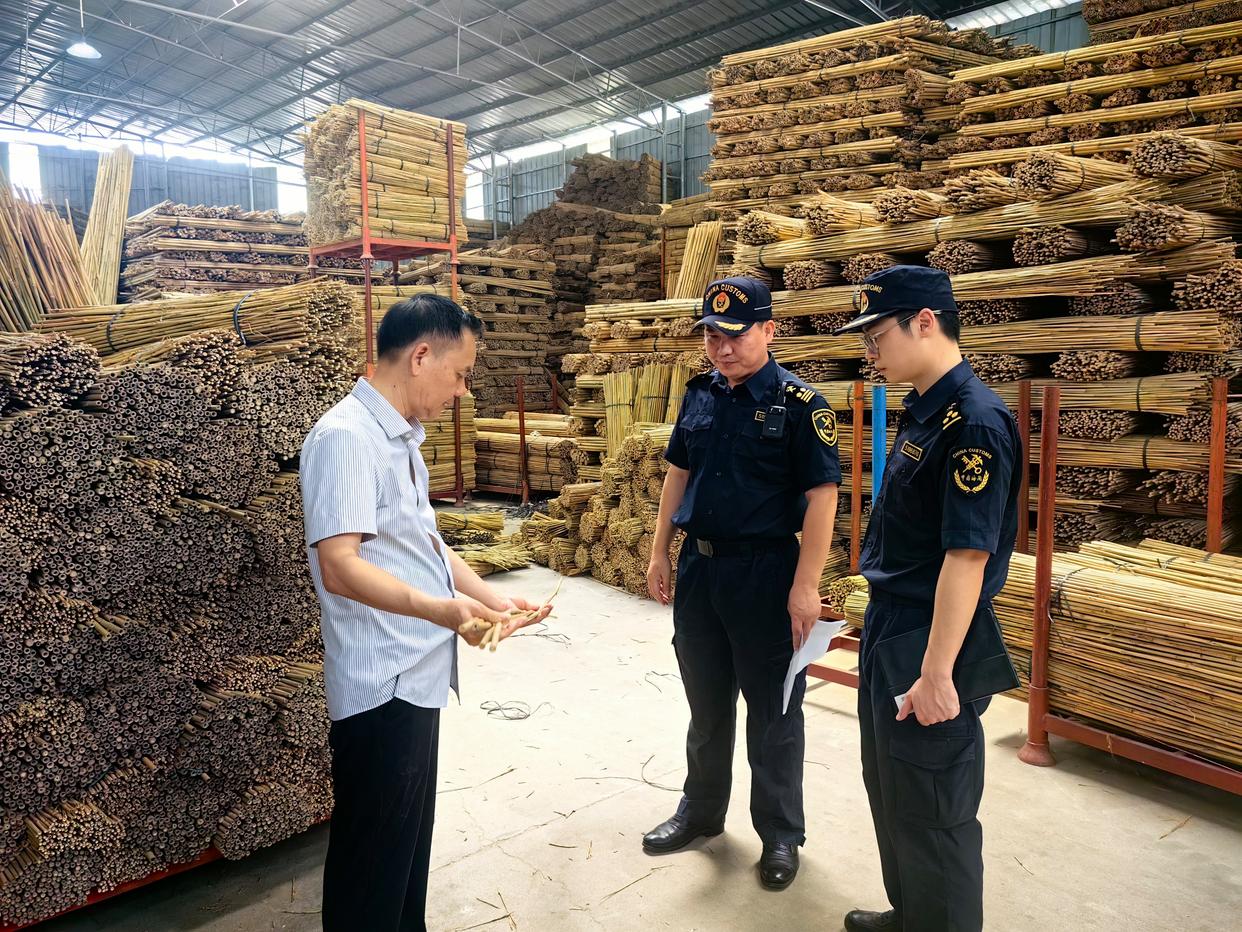
في الأول من يونيو، تم الإفراج عن شحنة من منتجات الخيزران من شركة Huaiji Junming Bamboo Products Co., Ltd. في مقاطعة هوايجي، تشاوكينغ، بوزن 1820 طنًا وقيمة 9 ملايين RMB، تحت إشراف جمارك تشاوكينغ من خلال نموذج الفحص والحجر الصحي الدفعي الجديد. وذكر التقرير أن هذا يمثل أول تطبيق في تشاوكينغ لإصلاح الفحص الدفعي للمنتجات الزراعية الأولية المصدرة في منطقة جمارك قوانغتشو.
يتبع الإصلاح خطة عمل الإدارة العامة للجمارك ويطبق مبدأ الإشراف القائم على التحكم في المخاطر مع السماح للسَلع بالتحرك بشكل أسرع. بعد أن أصبح نموذج الإشراف على الدفعات ناضجًا في تصدير السلع الخطرة، قامت جمارك زهاوتشينغ بتمديد هذه الخبرة إلى المنتجات الزراعية الأولية المصدرة، بما في ذلك المنتجات المتعلقة بالخيزران.
بموجب هذا النموذج، يمكن إدارة المنتجات من نفس المصنع، بنفس المواد الخام والمواد المساعدة، ونفس عملية الإنتاج ونفس متطلبات التفتيش أو الحجر الصحي، كوحدة فحص واحدة. يتم فحص الشحنة الأولى في وحدة الدفعة في الموقع. بعد اجتيازها للتقييم، يمكن إصدار الشحنات اللاحقة ضمن نفس الدورة بشكل رئيسي من خلال مراجعة الوثائق، مع التحقق العشوائي كمكمل.
قال التقرير إن الإصلاح يساعد على الحفاظ على الأمن البيولوجي وجودة المنتجات المصدرة مع تبسيط خطوات التخليص وتقليل وقت التخليص. بالنسبة لمصنعي التصدير، يمكن أن يقلل هذا من ضغط المخازن ووقت دوران اللوجستيات وتكاليف العمالة ومخاطر التأخير في التسليم.
قال Cai Dangnian، رئيس جمعية صناعة بامبو ساق الشاي في Huaiji ورئيس شركة Junming Bamboo Products Co., Ltd.، إن النموذج الجديد قد جلب تحسناً كبيراً في كفاءة الشحن. ووفقاً لحسابات الشركة المعلنة، يمكن تقليل متوسط وقت التخليص لشحنة واحدة بنسبة 70٪، بينما يمكن تقليل تكاليف التشغيل السنوية بحوالي RMB 3 ملايين.
قالت جمارك تشاوتشينغ إن الإصلاح يمثل تحولاً من الفحص التقليدي بمعدل مرتفع على دفعات إلى إشراف أكثر دقة قائم على المخاطر. من خلال نقل مراجعة المؤهلات وتقييم نظام الإنتاج وتقييم مخاطر المنتجات إلى مرحلة أبكر في العملية، يمكن للجمارك حماية الحد الأدنى للسلامة مع السماح للبضائع المتوافقة بالتحرك بسرعة أكبر.
وأشار المقال أيضًا إلى أن جمارك تشاوتشينغ تخطط لتوسيع البرنامج التجريبي ليشمل المزيد من المصدرين للمنتجات الزراعية والغذائية، وتحسين نماذج تقييم المخاطر، والاستمرار في إصدار فوائد الإصلاح لصناعات التصدير الزراعية المتخصصة والخيزران والخشب في تشاوتشينغ.
المصدر الأصلي: ساوذرن بلس عبر بايدجياهاو